


Sigiriya Rock Fortress: Cultural Insights, Climbing Tips & Scenic Views
Where Ancient Engineering Meets Natural Splendour.
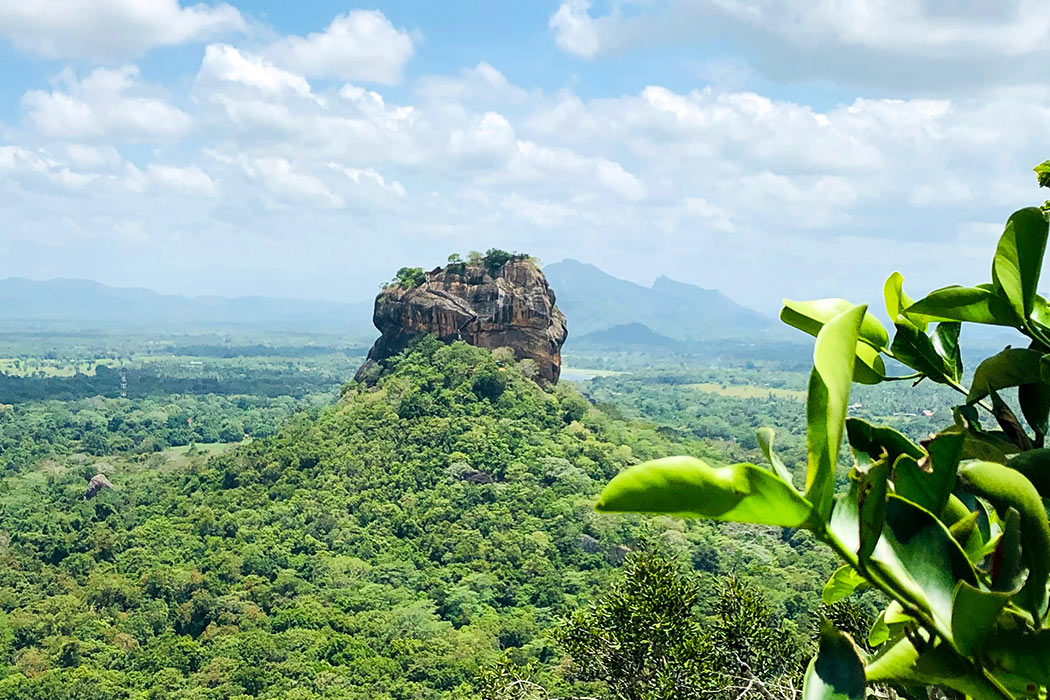
Rising dramatically from the central plains of Sri Lanka, Sigiriya Rock Fortress stands as a testament to human ingenuity and artistic vision. This UNESCO World Heritage Site, dating back to the 5th century AD, combines archaeological significance with breathtaking natural beauty. Whether you’re a history enthusiast, an avid photographer, or simply someone seeking remarkable experiences, Sigiriya offers an unforgettable journey through time and landscape.
Understanding Sigiriya’s Historical Significance
The fortress was constructed by King Kashyapa I, who transformed this 200-metre high rock into a magnificent palace complex. The site features remarkable frescoes, extensive water gardens, and the famous Lion Gate, from which Sigiriya derives its name — ‘Sinha-giri’, which means Lion Rock. The mirror wall, once polished so thoroughly that the king could see his reflection, now preserves ancient graffiti from visitors spanning centuries. Understanding this historical context enriches the climbing experience, turning each step into a connection with the past.
Essential Climbing Tips for Visitors
Preparation makes all the difference when ascending Sigiriya. Start your climb early morning, ideally before 8 AM, to avoid intense heat and larger crowds. Wear comfortable trainers with good grip, as some steps can be steep and uneven. Bring sufficient water — the climb involves approximately 1,200 steps and takes 1.5 to 2 hours. The metal staircase near the summit can feel daunting for those with height sensitivity, but the handrails are secure. Take regular breaks at designated platforms to pace yourself and appreciate the evolving views.
Capturing the Spectacular Scenery
Sigiriya rewards visitors with panoramic vistas across Sri Lanka’s Cultural Triangle. From the summit, endless green forests stretch towards distant mountain ranges, whilst the geometric precision of the ancient gardens unfolds below. The western face offers stunning sunset photography opportunities, with golden light illuminating the surrounding countryside. The halfway gallery, where the famous frescoes reside, provides unique perspectives of the rock’s sheer face. Morning mist often creates ethereal atmospheres, adding mystical qualities to photographs.
Planning Your Cultural Triangle Journey
Sigiriya serves as an excellent base for exploring Sri Lanka’s ancient cities. Many travellers combine their visit with places to visit in Polonnaruwa, another UNESCO site featuring well-preserved ruins of palaces, temples, and statues. Dambulla’s cave temples and Anuradhapura’s sacred sites lie within comfortable travelling distance. Accommodation options range from budget guesthouses to luxury properties such as Hotel Sudu Araliya, which provides convenient access to the region’s attractions whilst offering comfortable amenities for rest between excursions.
Respecting Cultural and Environmental Considerations
As a sacred and historical site, Sigiriya requires respectful behaviour from visitors. Dress modestly, covering shoulders and knees. Silence is appreciated in certain areas, particularly near remaining religious elements. Avoid touching the ancient frescoes or writing on walls — preservation depends on visitor cooperation. The site operates strict conservation measures, so follow designated pathways and dispose of waste properly. By respecting these guidelines, visitors contribute to protecting Sigiriya for future generations whilst honouring its cultural significance.